Pattern Database

Birch Bark Pyrography Pattern Library

A collection of classic patterns from Evenki Dulaer Clan birch bark pyrography, organized into three categories: Natural Objects, Abstract Geometry, and Narrative Maps. Each pattern includes bilingual cultural interpretation.
Note: The pattern images on this page are digitally redrawn illustrations for educational display. Authentic photos of the intangible cultural heritage will replace them once provided by the inheritor.

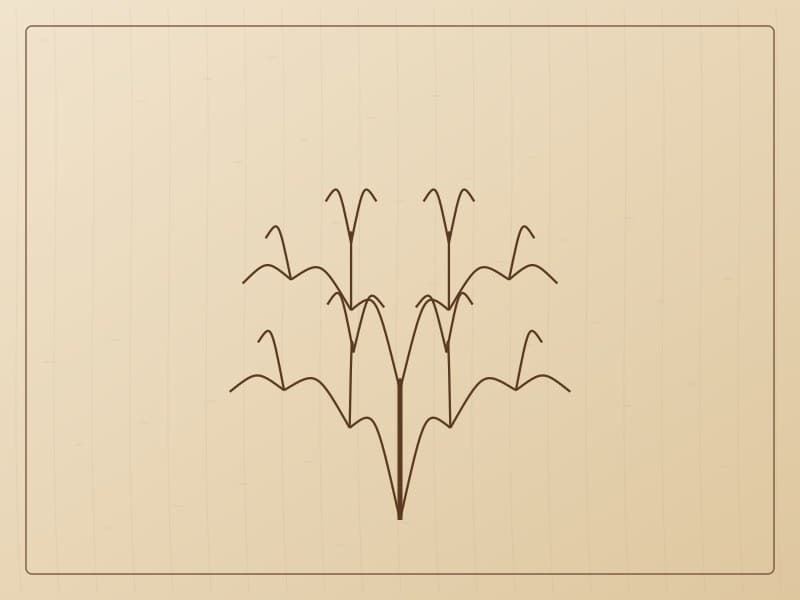
Antler Branching Pattern
Natural ObjectsIntermediate

Antler Branching Pattern

The antler branching pattern is one of the oldest motifs in Evenki birch bark pyrography, encoding clan genealogy, migration routes, and seasonal cycles through the branching structure of reindeer antlers. Different branch counts and orientations represent different clans and ritual functions.

#reindeer#clan-identity#migration+2
Concentric Loop Pattern
Abstract GeometryBeginner

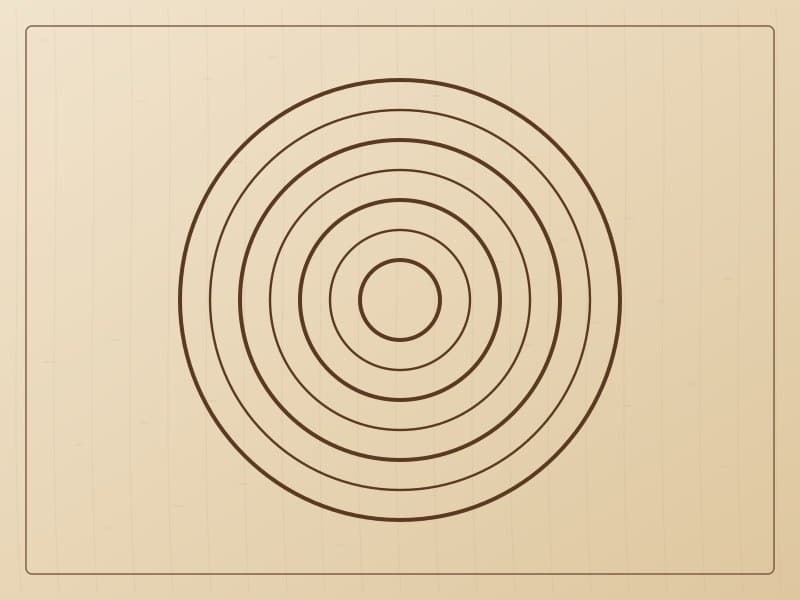
Concentric Loop Pattern

The concentric loop pattern consists of multiple layers of concentric circular or elliptical rings, one of the most fundamental geometric motifs in Evenki pyrography. The layered effect and repetitive rhythm embody the forest people's cosmology—all things cycle, life is unending.

#cosmology#cycle#ritual+2
Migration Route Map
Narrative MapsAdvanced

Migration Route Map

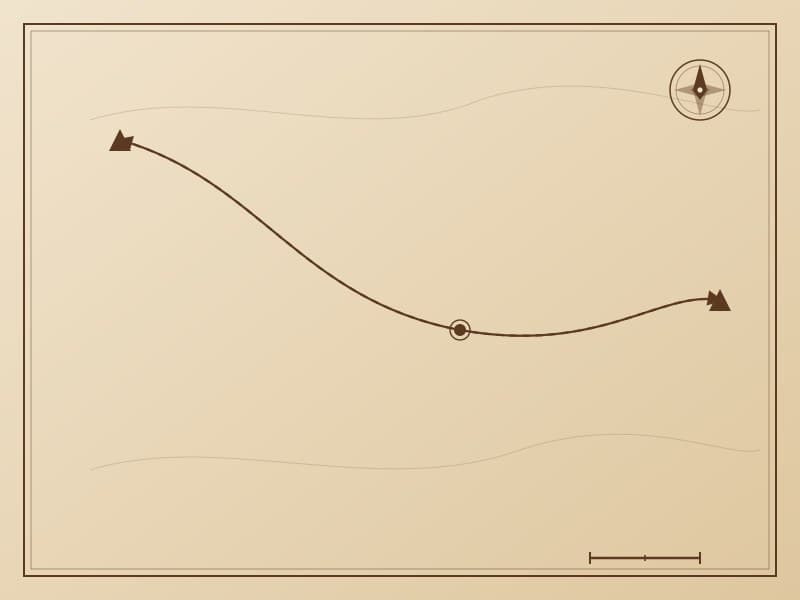
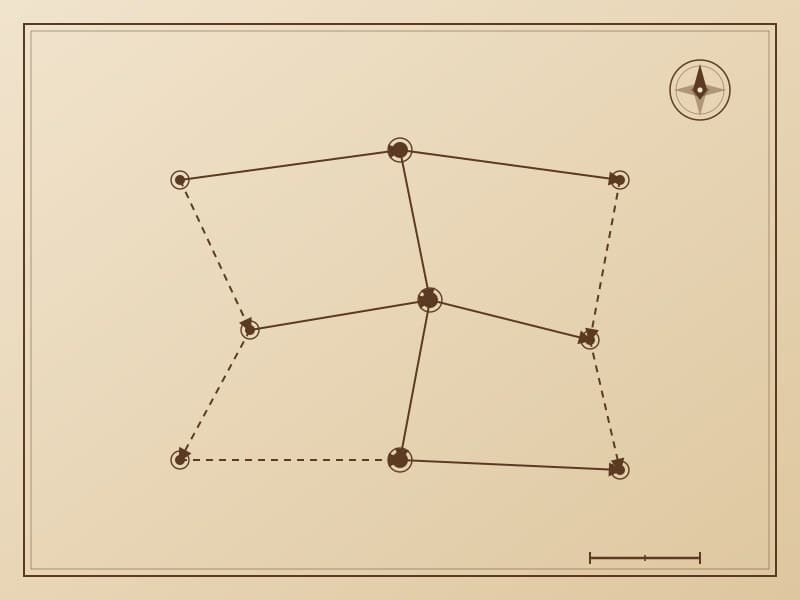
The migration route map is the most representative of Evenki narrative map patterns, using line networks to record generations of seasonal migration routes. Different line thicknesses and elevations represent different levels of migration paths—trunk routes, branch routes, and temporary routes.

#migration#map#navigation+2
Cloud Scroll Pattern
Natural ObjectsBeginner

Cloud Scroll Pattern

Cloud scroll patterns derive from Evenki observation of northern lights and atmospheric phenomena. Artists abstracted atmospheric dynamics into flowing linear motifs, creating visual harmony between organic fluidity and geometric structure, mediating between celestial and earthly realms.

#cloud#sky#aurora+2
Triangular Totem Pattern
Abstract GeometryIntermediate

Triangular Totem Pattern

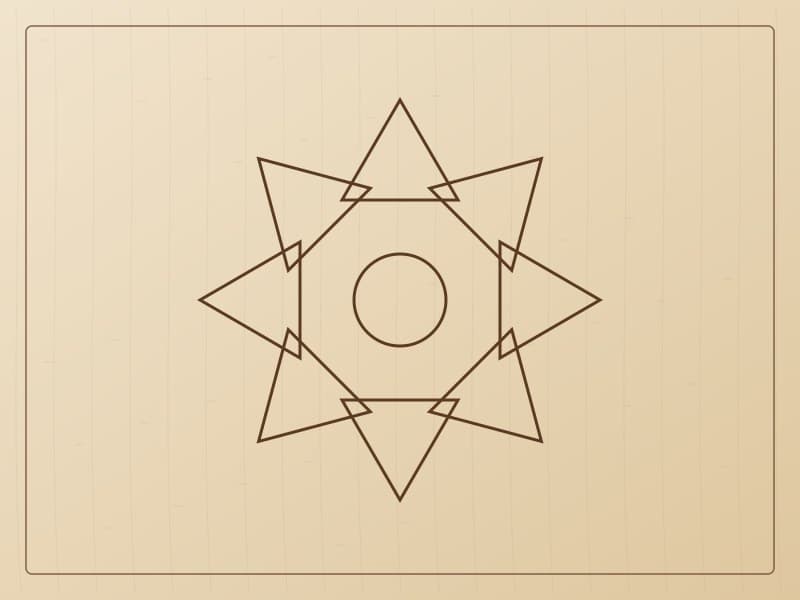
The triangular totem pattern uses equilateral triangles as the basic unit, combining through repetition, rotation, and mirror arrangement into complex geometric designs. The triangle symbolizes the union of mountain and flame—two core elements of Evenki culture. This motif commonly appears on clan emblems and ritual objects.

#triangle#totem#clan+2
Hunting Grounds Map
Narrative MapsIntermediate

Hunting Grounds Map

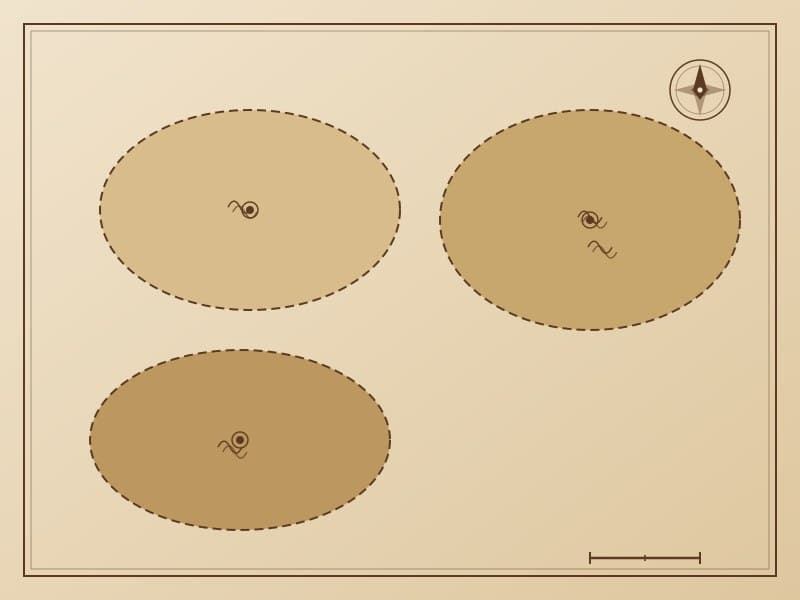
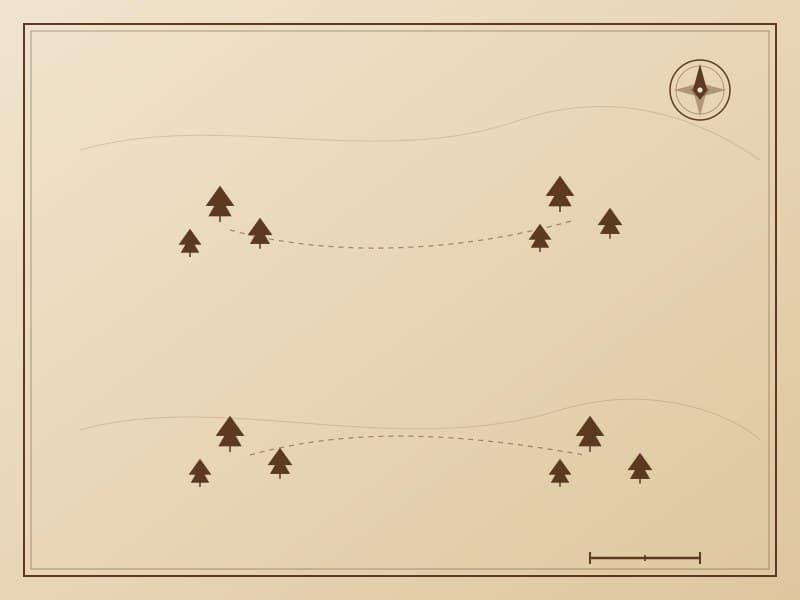
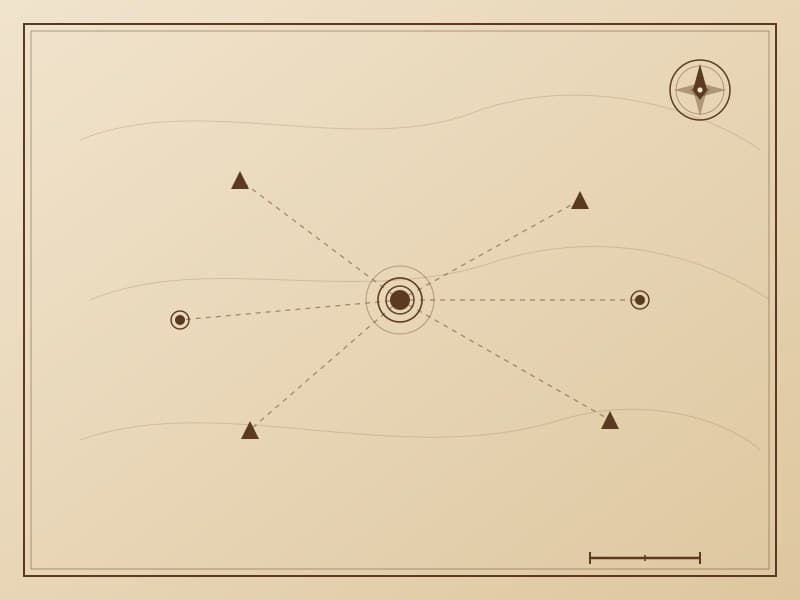
The hunting grounds map uses circles and symbols to mark the locations and ranges of traditional hunting territories. Circles of different sizes represent hunting grounds of different scales, with internal symbols indicating major prey types—reindeer, moose, roe deer, wild boar, etc. Hunting grounds are connected by dashed lines representing hunting circuit routes.

#hunting#territory#sustainability+2
Reindeer Motif
Natural ObjectsBeginner

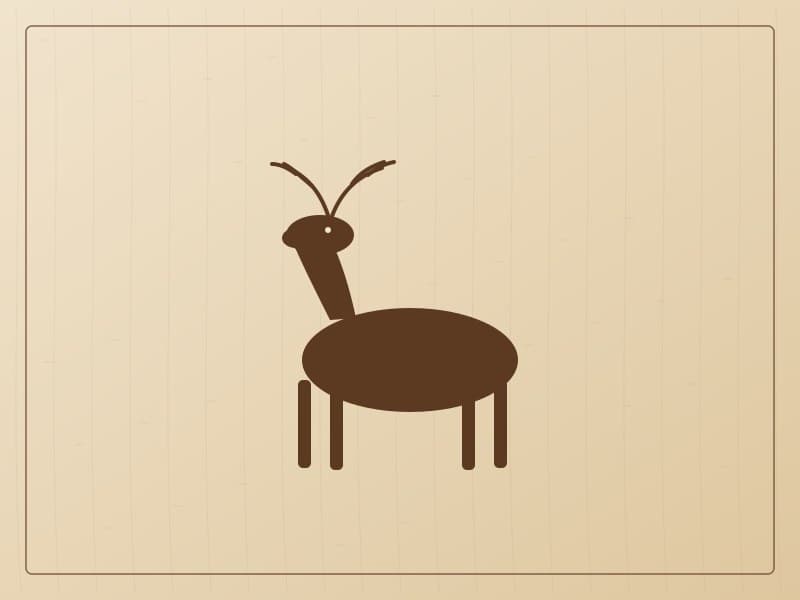
Reindeer Motif

The reindeer motif is one of the most central patterns in Evenki visual language. Reindeer depictions transcend mere naturalistic portrayal to embody cosmological concepts—reindeer represent sustenance, spiritual guidance, and transformative power connecting human, animal, and divine realms.

#reindeer#spiritual#hunting+2
Zigzag Lightning Pattern
Abstract GeometryBeginner

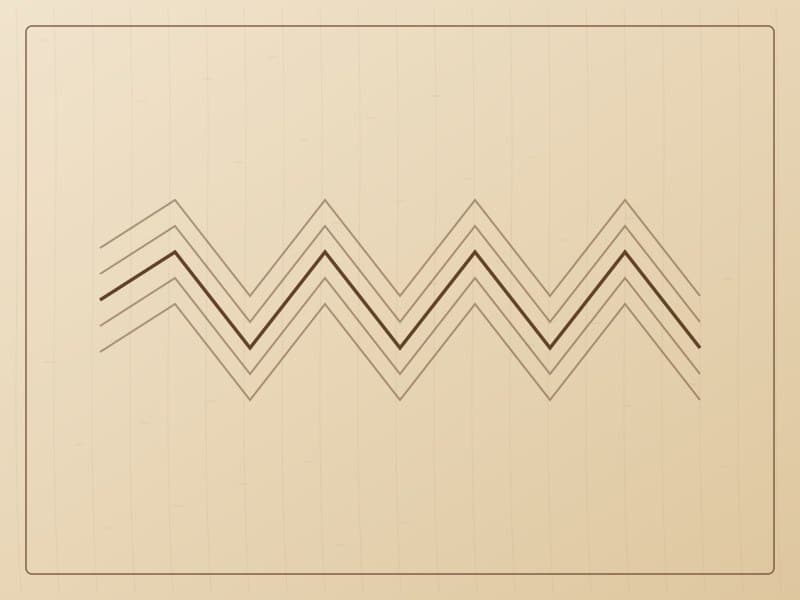
Zigzag Lightning Pattern

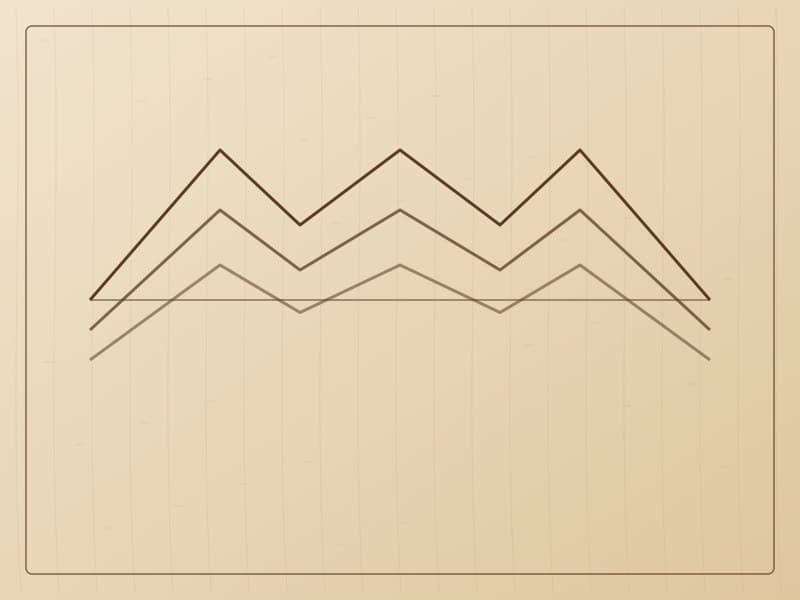
The zigzag lightning pattern is characterized by continuous chevron-style zigzag lines, symbolizing the power of lightning and weather changes. With a brisk rhythm and strong dynamism, it is one of the most visually striking abstract geometric motifs in Evenki pyrography.

#lightning#weather#power+2
Clan Territory Map
Narrative MapsAdvanced

Clan Territory Map

Clan territory maps use boundary lines and totem symbols to indicate the traditional territorial areas of different clans. Each clan's territory is marked with a unique totem symbol—the Dulaer Clan is represented by the antler pattern. Boundaries reference natural landforms (ridgelines, rivers), with blue indicating water boundaries and brown indicating ridge boundaries.

#clan#territory#geography+2
Birch Tree Pattern
Natural ObjectsBeginner

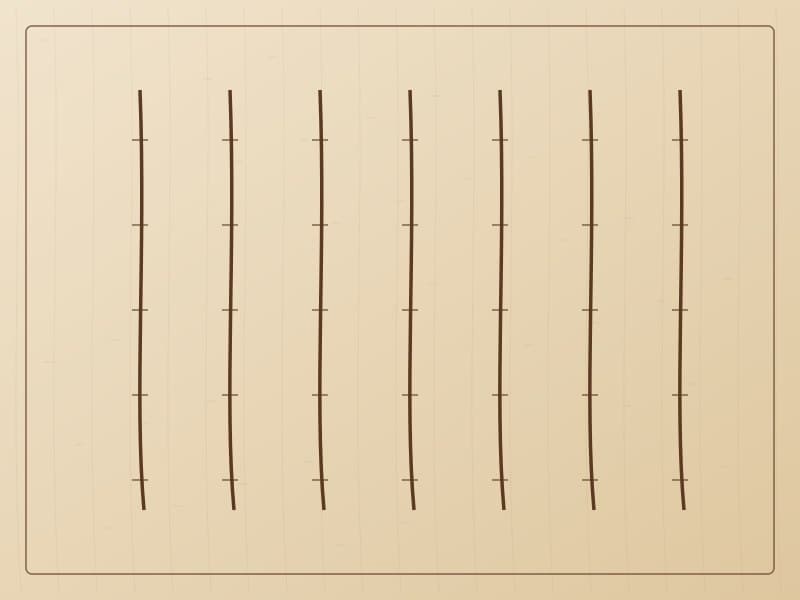
Birch Tree Pattern

The birch tree pattern depicts the birch forests that the Evenki people depend on for survival. Vertical lines represent the towering birch trunks, while horizontal textures render the distinctive bark quality. This motif embodies the Evenki worldview of the forest as a "living canvas."

#birch#forest#nature+2
Spiral Growth Pattern
Abstract GeometryIntermediate

Spiral Growth Pattern

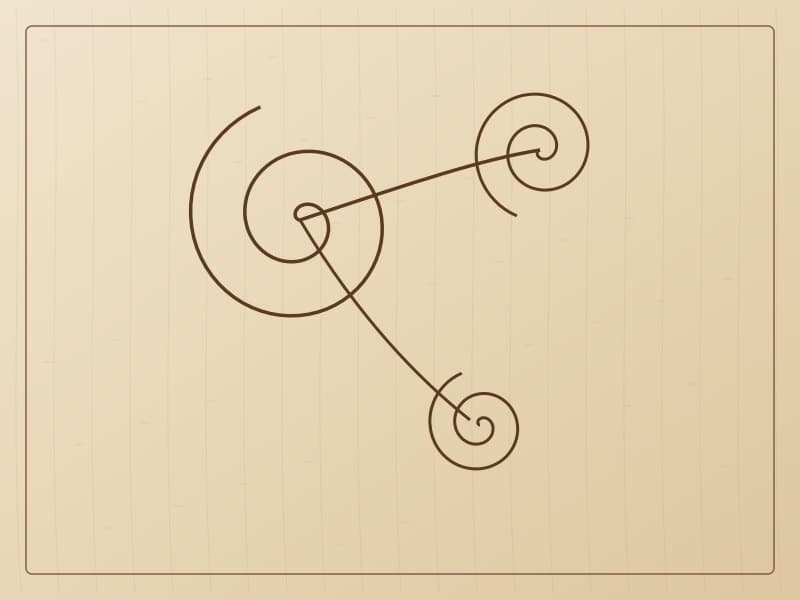
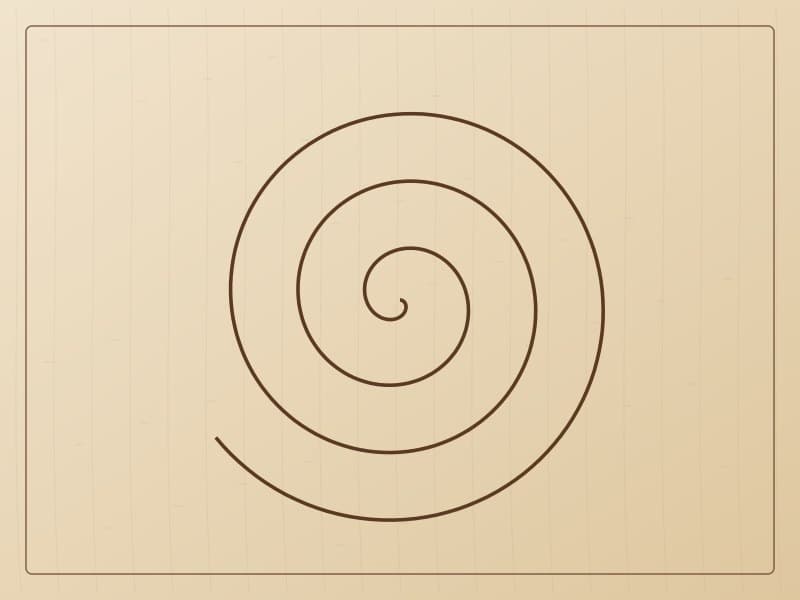
The spiral growth pattern features Fibonacci-style spiral curves expanding outward from center. The pattern mimics natural growth forms such as plant vines, ram horns, and shell patterns, expressing the Evenki understanding of the life growth process.

#spiral#growth#life-cycle+2
Seasonal Camps Map
Narrative MapsIntermediate

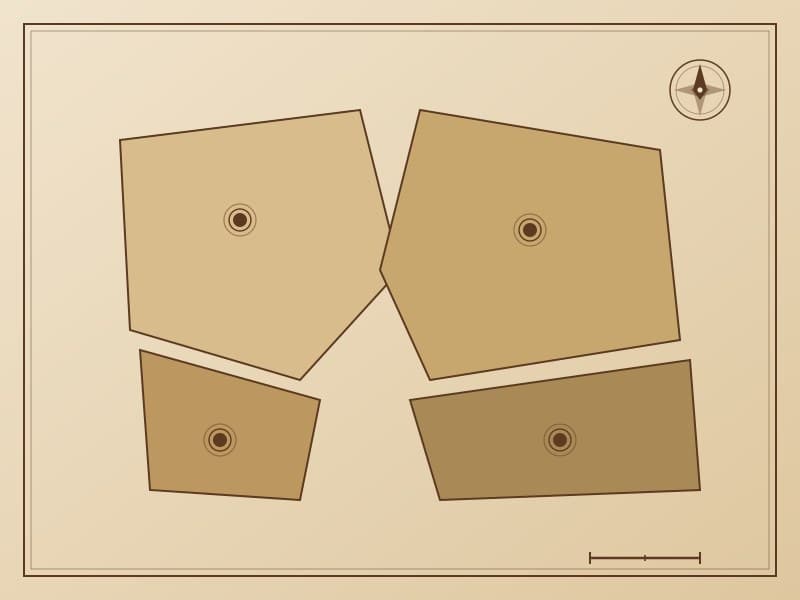
Seasonal Camps Map

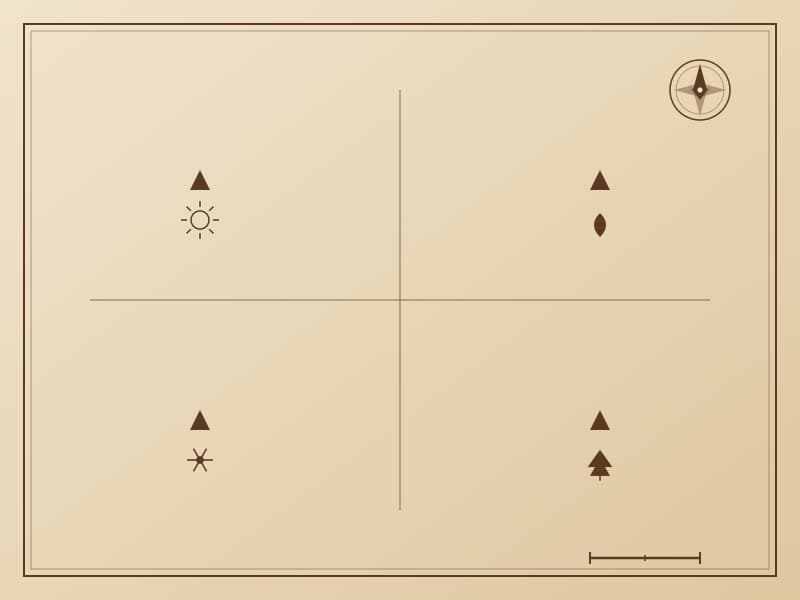
The seasonal camps map records the Evenki residential camp locations across different seasons throughout the year. The pattern uses four concentric zones or sectors to represent the four seasons, with each zone marking major campsites, water sources, and pasture conditions for that season.

#seasonal#camp#nomadic+2
Mountain-patterned Motif
Natural ObjectsBeginner

Mountain-patterned Motif

The mountain-patterned motif is one of the most recognizable patterns in Evenki birch bark pyrography, using triangular or trapezoidal layered arrangements to symbolize the contours of the Greater Khingan Mountains. The mountain pattern is not merely decorative but is linked to Evenki belief in the "Forest Guardian Spirit."

#mountain#geography#guardian-spirit+2
Diamond Lattice Pattern
Abstract GeometryBeginner

Diamond Lattice Pattern

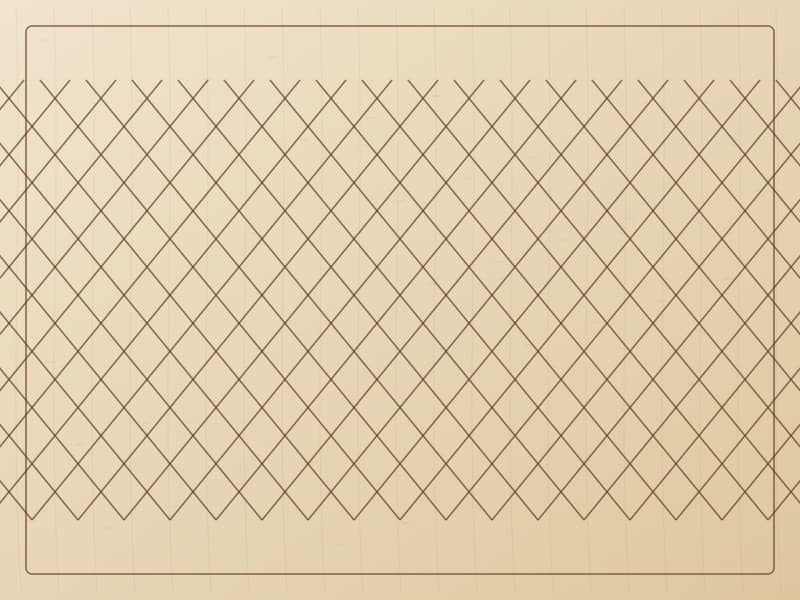
The diamond lattice pattern is a grid composed of repeating diamond units. Each diamond can exist independently (representing a family or individual) or connect into a whole (representing a clan or community). This structural beauty embodies the Evenki understanding of the relationship between the collective and the individual.

#diamond#lattice#family+2
Sacred Groves Map
Narrative MapsAdvanced

Sacred Groves Map

The sacred groves map indicates sacred forest areas in traditional Evenki belief. These locations are marked with special concentric circle or star symbols, distinguishing them from ordinary hunting grounds and campsites. Sacred groves are typically ancient forest stands, spring sources, or mountain peaks—considered dwelling places of spirits.

#sacred#forest#ritual+2
Aurora Pattern
Natural ObjectsAdvanced

Aurora Pattern

The aurora pattern originates from long-term Evenki observation of the northern lights. The pattern captures the dynamic beauty of auroras in the night sky through wavy flowing lines, often combined with astronomical symbols to record celestial observations.

#aurora#sky#astronomy+2
Wave Rhythm Pattern
Abstract GeometryBeginner

Wave Rhythm Pattern

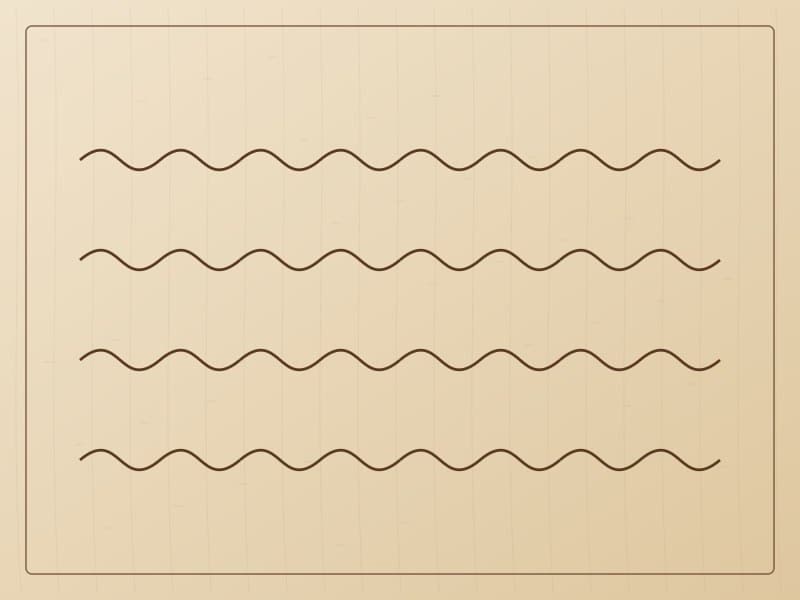
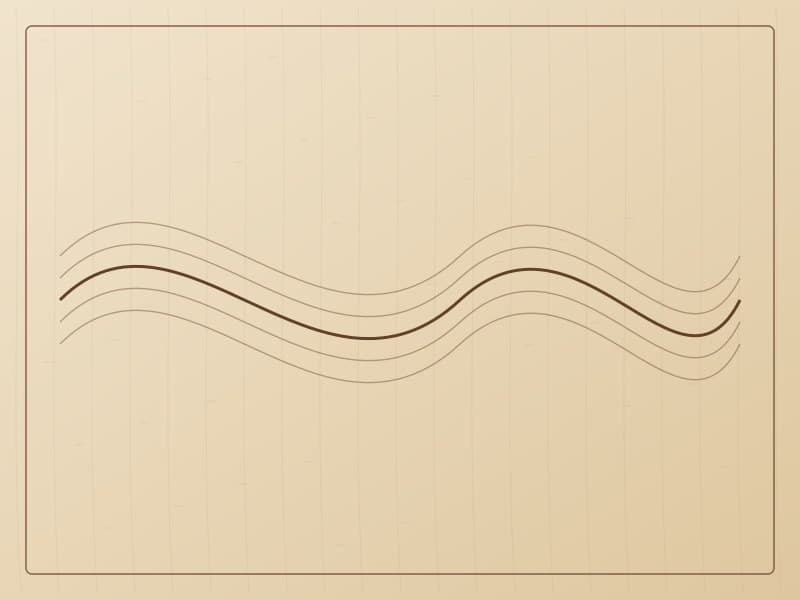
The wave rhythm pattern is composed of continuous smooth S-curves arranged in sequence, simulating the propagation of water ripples. Variations in curve amplitude and frequency create a unique visual rhythm, like water waves rippling in nature.

#wave#water#rhythm+2
River Systems Navigation Map
Narrative MapsIntermediate

River Systems Navigation Map

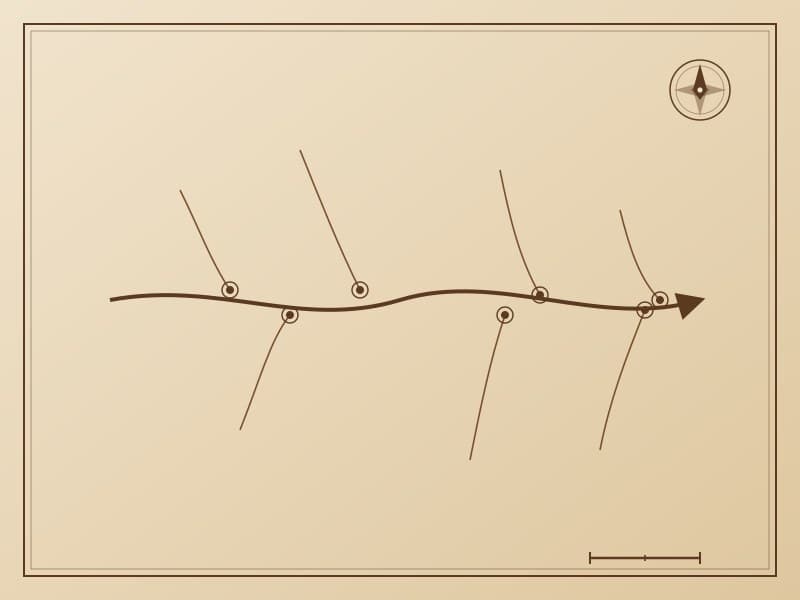
The river systems navigation map depicts in detail the river network of the Greater Khingan Mountains region, with main rivers as the framework and tributaries as branches, forming a tree-structure geographic information map. Flow directions, confluence points, and shoal locations are important references for Evenki water transportation and fishery production.

#river#navigation#water+2
River Pattern
Natural ObjectsBeginner

River Pattern

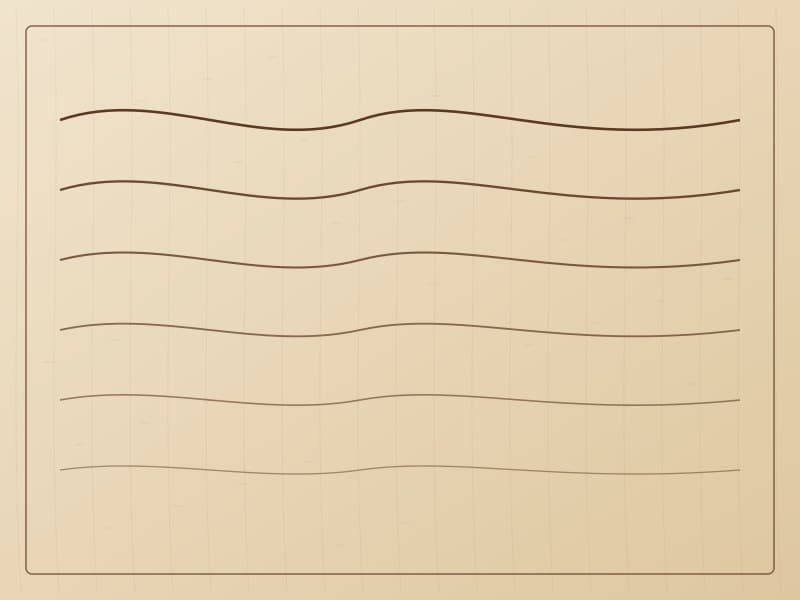
The river pattern uses winding curves to depict the river networks of the Greater Khingan Mountains region. The Evenki people live by water, and rivers are not only water sources but also important references for migration and hunting. Different line thicknesses and curvatures represent different river levels—from streams to major rivers.

#river#water#geography+2
Cross Symmetry Pattern
Abstract GeometryAdvanced

Cross Symmetry Pattern

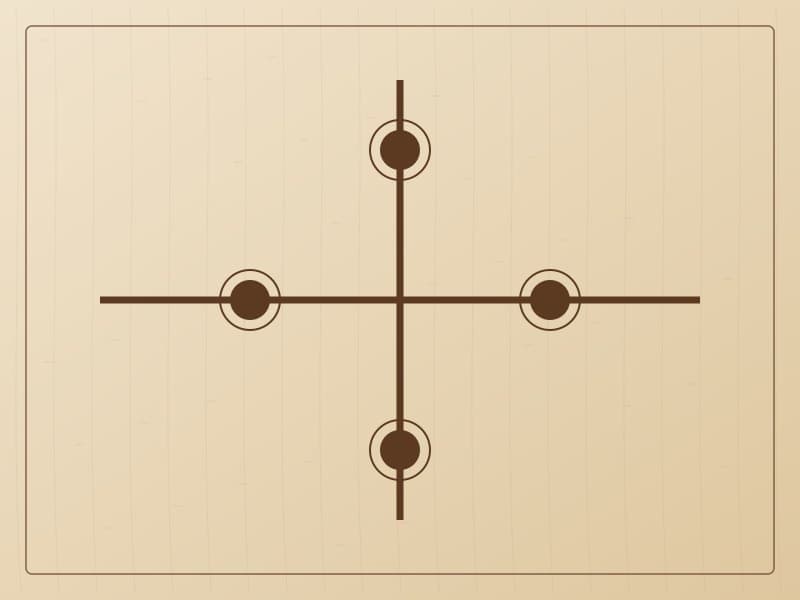
The cross symmetry pattern centers on a vertical-horizontal intersecting cross structure, with symmetrical designs arranged in the four quadrants. Both simple and solemn, the cross pattern is one of the most structurally defined geometric motifs in Evenki pyrography, commonly used as the central decoration on important ritual objects.

#cross#symmetry#cosmology+2
Star Chart
Narrative MapsAdvanced

Star Chart

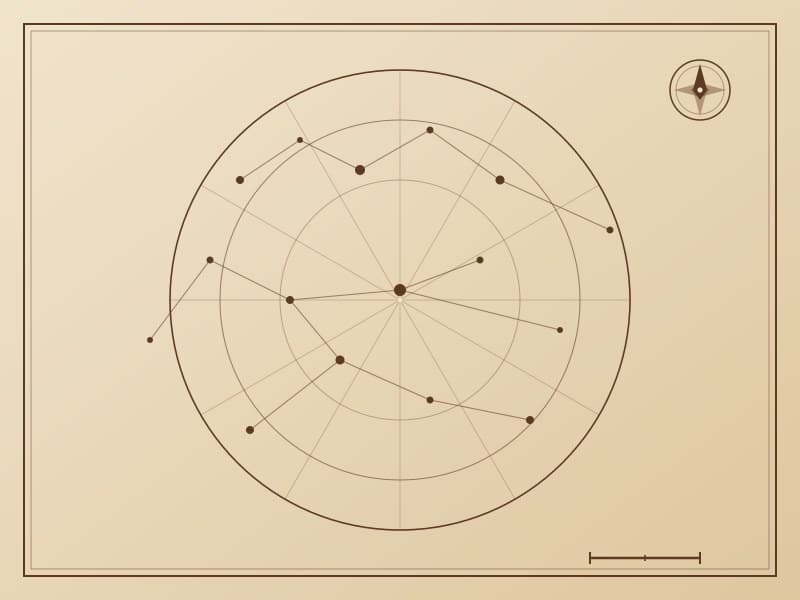
The star chart records the Evenki people's systematic observation of the night sky. Centered on the North Star, major constellations are marked outward—the Big Dipper for timekeeping, Orion for seasonal judgment, the Milky Way viewed as 'Sky River' or 'Reindeer Road.' Different seasonal skies are distinguished by different colors or symbols.

#star#astronomy#navigation+2
Sun Disc Pattern
Natural ObjectsBeginner

Sun Disc Pattern

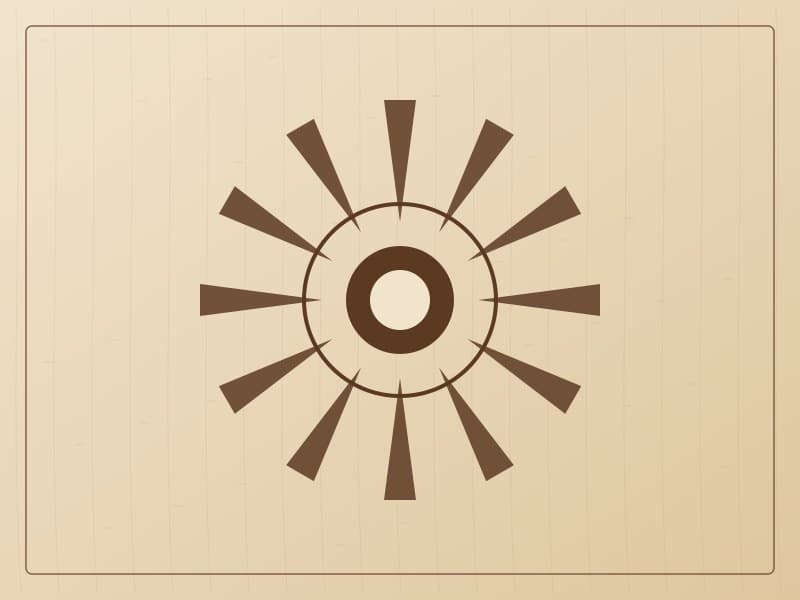
The sun disc pattern centers on a circle surrounded by radiating lines or dots, symbolizing the sun's light and warmth. In the cold-temperate forest environment, the sun is the source of life; this motif commonly adorns the top of ritual objects.

#sun#celestial#ceremony+2
Checkerboard Pattern
Abstract GeometryBeginner

Checkerboard Pattern

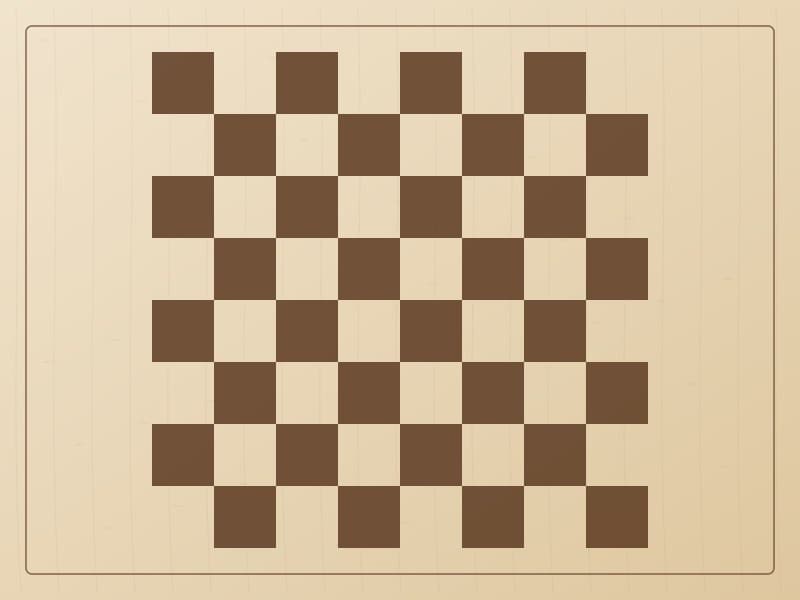
The checkerboard pattern consists of alternating light and dark squares, a fundamental binary contrast pattern in Evenki pyrography. Square size and arrangement density are variable, creating visual rhythms from simple to complex.

#binary#contrast#philosophy+2
Trade Routes Map
Narrative MapsAdvanced

Trade Routes Map

The trade routes map records the traditional exchange networks between the Evenki people and other ethnic groups. Routes are shown as double lines (distinct from single-line migration routes), marking trading posts, market locations, and major trade goods—furs, antlers, birch bark products, medicinal herbs, etc.

#trade#commerce#history+2
Moon Phases Pattern
Natural ObjectsIntermediate

Moon Phases Pattern

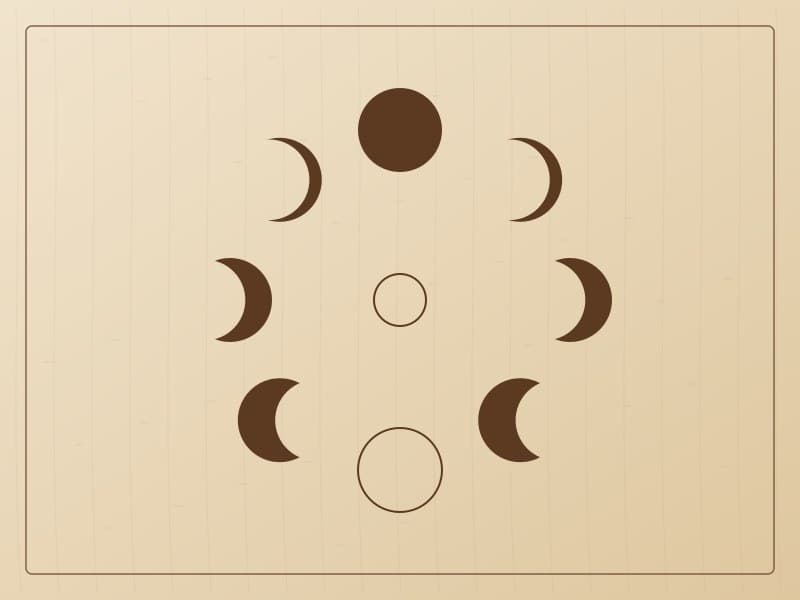
The moon phases pattern consists of a sequence from crescent to full moon, recording the Evenki people's precise observation of lunar cycles. Each phase is represented by different arc forms—from slender crescent to full orb—arranged in circular or linear sequences.

#moon#calendar#lunar+2
Braided Border Pattern
Abstract GeometryIntermediate

Braided Border Pattern

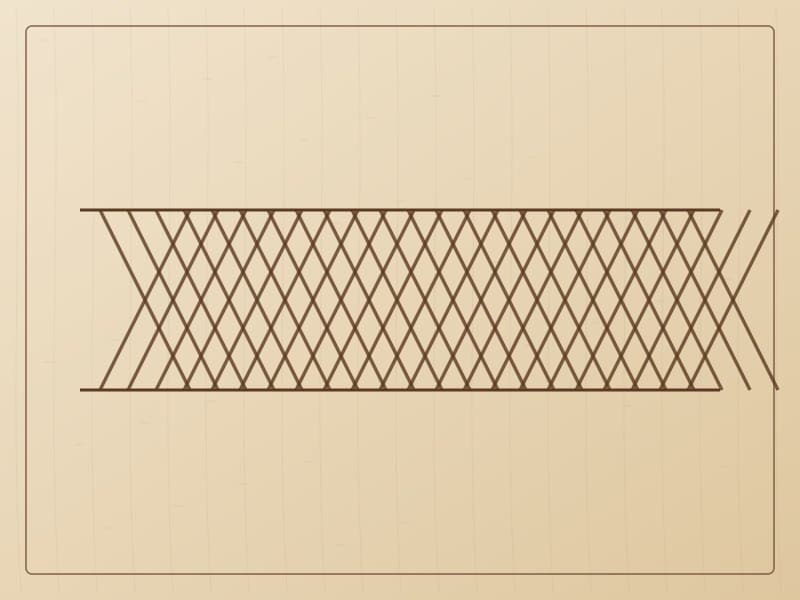
The braided border pattern simulates the texture of traditional Evenki birch bark weaving techniques—the interlocking edge structure formed by crossing branches. The pattern consists of two sets of alternating diagonal lines forming a continuous border, commonly used as edge decoration in pyrography works.

#braid#border#weaving+2
Ceremonial Sites Map
Narrative MapsAdvanced

Ceremonial Sites Map

The ceremonial sites map indicates the geographic locations of traditional Evenki ritual activities. Important ceremonial locations are marked with special symbols (star+ring)—mountain-top altars, riverside shrines, sacred grove ritual circles, etc. Different symbols distinguish ritual types: sky god ceremonies, mountain spirit ceremonies, ancestor ceremonies, and seasonal harvest ceremonies.

#ceremony#ritual#sacred+2
Pine Tree Pattern
Natural ObjectsBeginner

Pine Tree Pattern

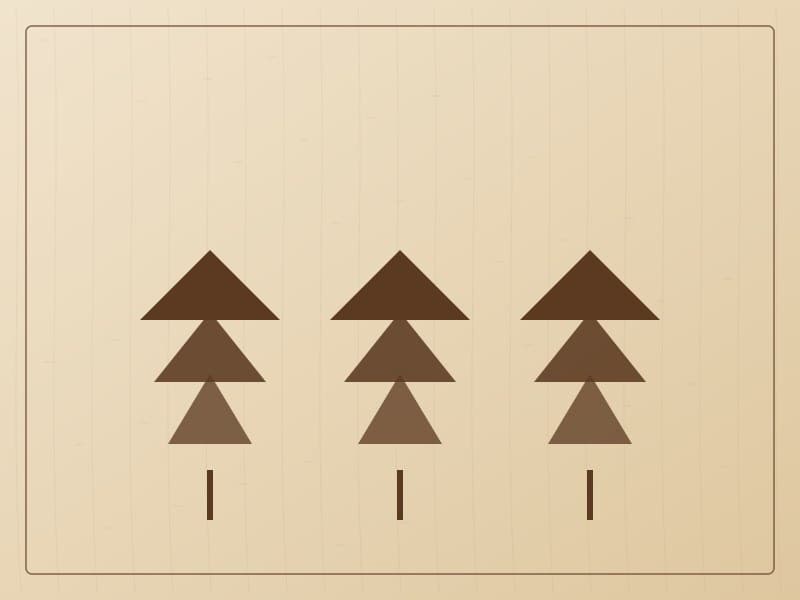
The pine tree pattern uses layered triangular or umbrella shapes to depict the Scots pine common in the Greater Khingan Mountains. Unlike the vertical lines of the birch tree pattern, the pine pattern emphasizes layered canopies and upright posture, reflecting the unique character of cold-temperate coniferous forests.

#pine#forest#longevity+2
Star Polygon Pattern
Abstract GeometryAdvanced

Star Polygon Pattern

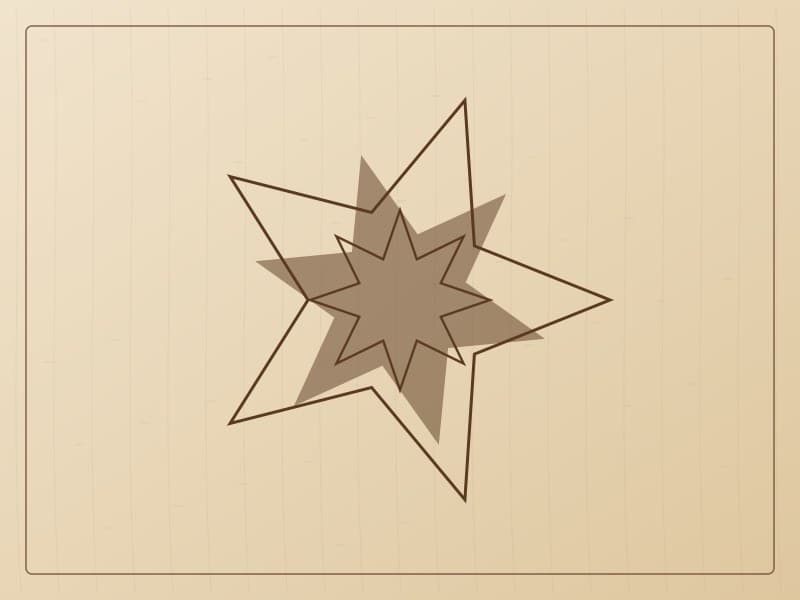
The star polygon pattern uses pentagrams, hexagrams, or octagrams as basic forms, composing complex starry patterns through rotation and scaling. Different star point counts and arrangements give the pattern varying visual tension—pentagrams are lively, octagrams are solemn.

#star#astronomy#navigation+2
Snowflake Pattern
Natural ObjectsAdvanced

Snowflake Pattern

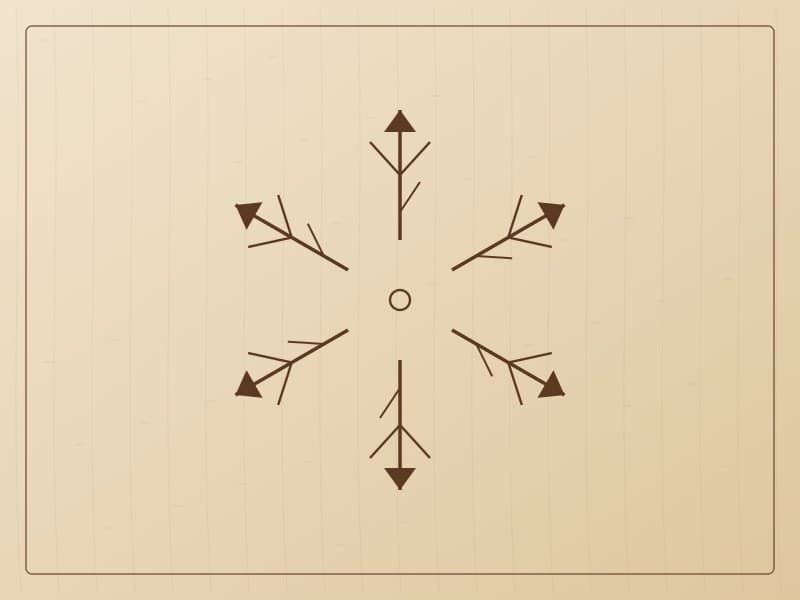
The snowflake pattern is based on hexagonal symmetry, extending outward into delicate ice crystal branches. The pattern precisely captures the geometric beauty of snowflake crystals—six-directional symmetrical branching, each branch subdividing into finer twigs at its tips, forming a self-similar nested structure.

#snow#winter#ice+2

30 / 30 条图案